



When you want to use the property for a purpose that differs from what it has been zoned for, you will likely need to obtain a Conditional Use Permit (CUP). While CUPs don't allow for the property to be used for purposes that are directly prohibited by local zoning laws, it's possible for a CUP to expand the types of uses that are allowed on the property, as long as you provide and/or adhere to the Conditions that are set forth by the Authority.
A CUP must take any local ordinance requirements into account before you are able to obtain one. In most situations, a public hearing will be held to determine if your request for a CUP should be granted. Before you begin the process of applying for a conditional use permit, it's important that you understand how this permit works and how it differs from a variance. This article provides a comprehensive overview of conditional use permits.
Key Takeaways
A conditional use permit allows for other types of uses on the property that are normally prohibited.
Your local zoning ordinance will determine whether or not your property will qualify for a conditional use permit, check with your Planning Department.
There are a variety of standards you may want to consider before applying for a conditional use permit.
It's important to note that ordinance requirements can differ with each zone. For instance, certain ordinances require that any conditional use permit adheres to the extensive land-use plan put forth by the municipality. It's also likely that the permit will need to be compatible with any nearby properties. Additional standards could be set for specific land uses, which could include hours for business operation, landscaping plans, and off-street parking areas.
WHAT IS THE PURPOSE OF A CONDITIONAL USE PERMIT?
The primary purpose of a CUP is to allow for a piece of property to be altered in how it can be used in accordance with the local zoning ordinance. In many situations, these permits are granted because the public believes that the new use of land will benefit the community. However, the permit is only granted on a conditional basis, which means that the determined and listed CONDITIONS will need to be adhered to by the property owner to ensure that any negative impacts of the new use would be mitigated.
These impacts could include everything from increased traffic to increased noise. Let's say that a property owner decides to run a business from their home while living in a residential neighborhood. To make sure that nearby properties and land aren't negatively affected, conditions could be set that allow the property owner to manage a business in their home as long as any customers park in the driveway and only a limited amount of signage is posted around the property. Without these guidelines and restrictions in place, it's possible that the change in land use would cause nearby properties to lower in value, which could hurt the quality of the neighborhood.
WHAT IS THE PROCESS OF APPLYING FOR A CONDITIONAL USE PERMIT?
The application process for a CUP is a relatively simple and straightforward one as long as you understand what this process entails. The CUP procedure list, should be filled, completed and submitted by someone who is familiar with the CUP procedure, like A Project Coordinator. Once the project coordinator proposes the application, this proposal will be considered within a public hearing, which provides the surrounding community with the opportunity to have their opinions heard.
Since a change in how the land is being used will impact the surrounding community, it's important that they play a role in the final decision. In the event that the public approves of the conditional use permit, some restrictions will be placed on the permit to ensure that any negative impacts of the change are mitigated. The public hearing for a conditional use permit application can be held by a zoning administrator, a planning commission, or a board of zoning. The owner of the property will be sent a notice in advance that provides details on the time, date, and location of the hearing in question. At this hearing, the property owner will have the opportunity to address the public about why they want to alter how their land will be used.
Please keep in mind, the process of doing a CUP can be lengthy. On average they can run 3 months up to 9 months and the timing for processing is subject to change based on the Planning Department's workload, board meeting calendar and attentiveness to your project.
Standards to Determine If a Conditional Use Permit Should Be Granted
Communities can use a variety of different standards to determine if an application for a conditional use permit should be granted. These standards include:
General welfare standard – This standard is designed to ensure that the new use for the property in question will not cause damage to the property, to improvements on the property, or to the public interests
Nuisance standard – This standard is meant to prohibit any conditional use permit wherein the new use would clash directly with the nature of the city as well as its surroundings, which could be caused by excess odors, noise, or dust
General plan consistency – This standard ensures that the conditional use permit must adhere to the comprehensive community plan
Zoning consistency standard – In order to obtain a permit, the applicant will need to show that the use will fall under local zoning laws and that it will be appealing to public interests or convenience
In the event that you are able to show the public how the new use for your land or property would adhere to all of these standards, it's likely that your application will be granted. However, these standards aren't exhaustive. A certain community may have even more rigorous standards that you will be required to meet. Make sure that you identify what these standards are before the public hearing takes place, which should allow you to be fully prepared.
It's worth noting that ordinance requirements can vary across different zones. For example, some ordinances may stipulate that any conditional use permit must comply with the comprehensive land-use plan set by the municipality. The permit will also likely need to align with the character of the surrounding properties. Specific land uses may be subjected to additional standards, such as business operating hours, landscaping plans, and off-street parking provisions.
If you successfully illustrate to the public how your property's new use aligns with these standards, your application stands a good chance of being approved. However, these standards are not exhaustive. Certain communities may impose even stricter criteria that you must satisfy. Therefore, it's essential to identify these standards before the public hearing, enabling you to be fully prepared.
CUPs in Practice: Common Commercial Construction Scenarios in Los Angeles
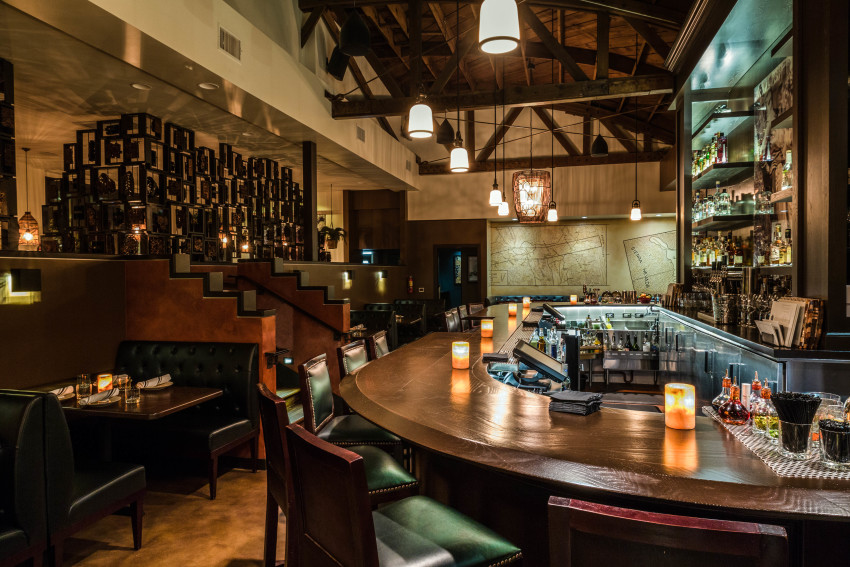
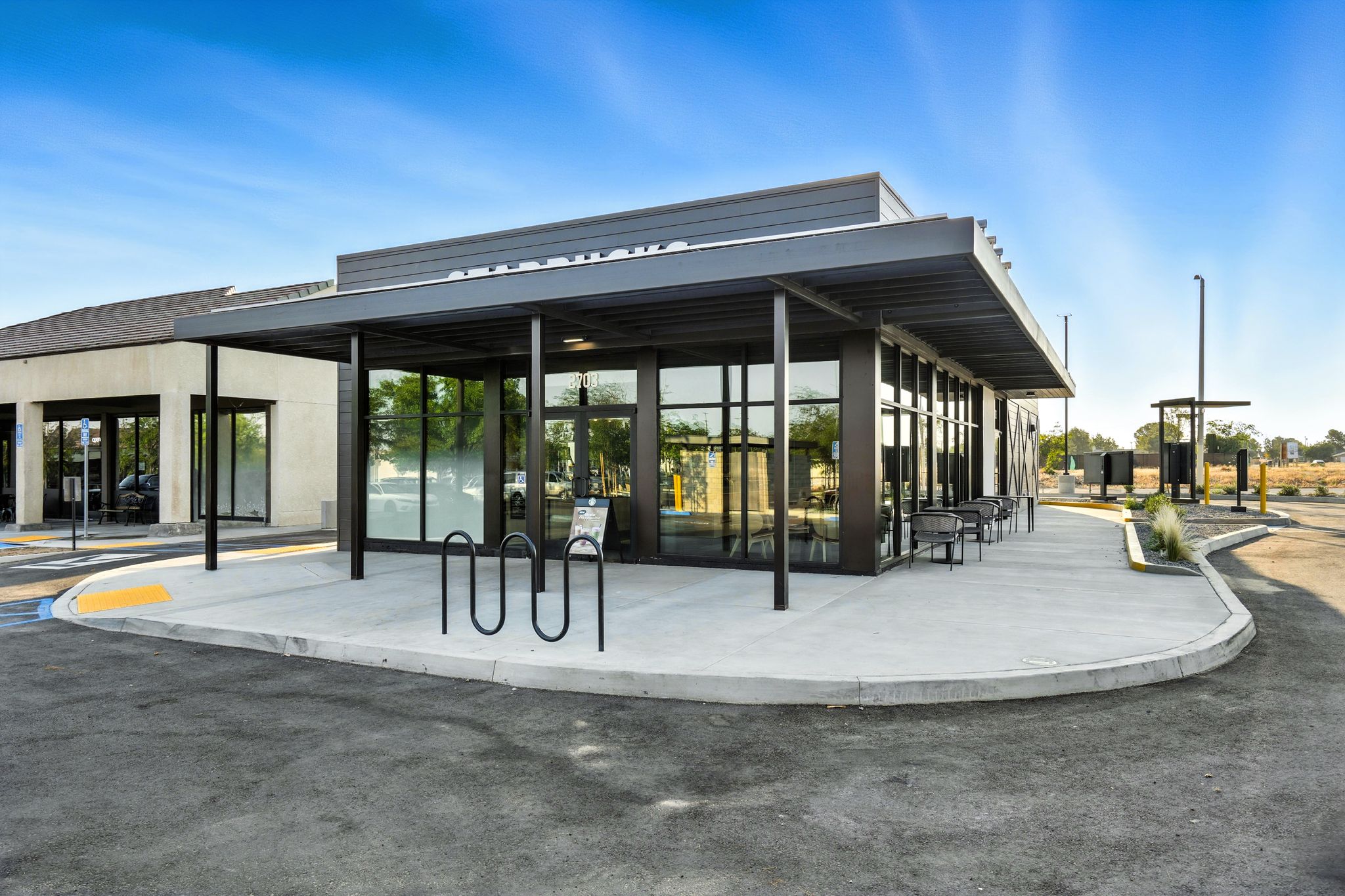
In Los Angeles, Conditional Use Permits come up most frequently in two commercial construction scenarios: alcohol service and late-night operations. A restaurant that wants to serve beer, wine, or spirits must obtain a California ABC license — but in many LA neighborhoods, the zoning code requires a CUP before the ABC application can be completed, because alcohol service is classified as a conditionally permitted use subject to local review. Similarly, restaurants or entertainment venues that want to operate past midnight may trigger a CUP requirement related to hours of operation, particularly in mixed-use neighborhoods where residential uses are nearby. Outdoor dining expansions, drive-through additions, and changes to a restaurant's parking configuration can also require CUP review if they materially alter the conditions under which the original use permit was granted. LADBS handles the building permit side of a restaurant project, but CUPs are processed through the Los Angeles Department of City Planning — a separate agency with its own submission requirements, public notice procedures, and hearing calendar. Understanding which agency governs which aspect of your project is critical for scheduling. Our permits and inspection guide provides a broader overview of how LADBS and the Planning Department interact on commercial projects.
How econstruct Helps Clients Navigate the CUP Process
Because a CUP can add three to nine months to a project timeline, identifying early in the design process whether a CUP will be required is one of the most important pre-construction services econstruct provides. During a pre-lease or pre-design site review, our team confirms the property's zoning designation, identifies any conditions attached to prior use permits that run with the land, and flags any proposed uses — alcohol service, late-night hours, outdoor seating, delivery vehicle access — that may require CUP review. If a CUP is required, we can coordinate with a land-use consultant or planning attorney to prepare the application package and support the owner through the public hearing process, so that CUP approval and LADBS plan check move in parallel rather than sequentially. This kind of front-end regulatory clarity is a direct result of working with a contractor who has been building in Los Angeles since 2011 and holds California GC License #964015. To discuss the permitting strategy for your project, request a free consultation or reach us at [email protected].