



Embarking on a construction project in the City of Los Angeles can be an exciting endeavor. However, it’s crucial to understand and navigate the plan check procedure to ensure a smooth approval process. Let’s explore the plan check procedure in the City of Los Angeles, highlighting its key components, guidelines, and estimated timelines.
Preparing the Application: Before submitting plans for review, gather all required documents, including application forms, building plans, engineering calculations, existing city records and supporting materials. Ensure compliance with the City’s specific requirements and regulations. Timeline: Allow 2-4 weeks for thorough preparation.
Submitting the Application: Submit the application and plans electronically through the Los Angeles Department of Building and Safety (LADBS) online portal. Or you may submit in person, which sometimes can be faster than submitting online. This procedure and timeline is subject to change. Pay the necessary fees based on the project’s size, type, and complexity. Timeline: Once the application is complete, submission can typically be done within a few days.
Preliminary Review: During the preliminary review stage, the LADBS assesses the application for completeness and adherence to building codes and zoning regulations. They may request additional information or corrections before proceeding to the formal plan check. Timeline: The preliminary review process can take 1-2 weeks. If you are at the counter submitting in person, you may get plan check that day or approval to submit.
Plan Check Process: The plan check process involves a thorough review of the submitted plans by LADBS plan check engineers. They evaluate the compliance of the proposed construction with building codes, fire safety standards, structural integrity, accessibility, parking, and other relevant regulations. Note: building, mechanical, electrical and plumbing are all separate plan reviews and/or permits. Timeline: The plan check process can take 4-8 weeks, depending on the complexity of the project.
Corrections and Revisions: After the initial review, the LADBS provides feedback, which may include required corrections, revisions and an Agency Clearance Sheet. The applicant must address these comments and resubmit revised plans for further review, and contact each Agency that is listed as a required clearance, find out what they need, provide it and then once they approve, they will Clear the project in the system. Timeline: The applicant typically has 1-2 weeks to make the necessary corrections, get the Clearances and resubmit the revised plans.
Permit Issuance: Once the plans meet all requirements, receive final approval and the permit fees are paid, the LADBS issues the necessary construction permits. The applicant can then proceed with the construction phase of the project. Timeline: Permit issuance usually takes no more than 1 week after the final approval.
Note: the timelines noted above are average for projects, in the case of special Planning Dept projects, the times for the Clearances can take longer. An example of this would be if a Conditional Use Permit (CUP) is required for some reason—that alone can run 3-9 months.
Key Guidelines to Facilitate the Plan Check Procedure:
Thoroughness and Accuracy: Ensure all required documents are complete, accurate, and in compliance with the City’s guidelines. This minimizes the chances of additional requests for information and revisions.
Adherence to Building Codes: Familiarize yourself with the applicable building codes, fire safety standards, and zoning regulations in the City of Los Angeles. Design and prepare plans accordingly to avoid unnecessary delays.
Professional Assistance: Engage experienced architects, engineers, permit expediters and consultants who are well-versed in the City’s regulations and can help navigate the plan check process smoothly.
Communication and Timeliness: Promptly respond to any requests for additional information or corrections from the LADBS. Timely communication and adherence to deadlines ensure efficient processing of the application.
Conclusion: Understanding and following the plan check procedure in the City of Los Angeles is vital for a successful construction project. By preparing a comprehensive application, adhering to building codes, addressing feedback promptly, and seeking professional assistance when needed, applicants can navigate the process smoothly. Working in collaboration with the LADBS fosters a cooperative environment and ensures compliance with regulations, ultimately leading to timely approval and commencement of construction in the vibrant city of Los Angeles.An owner can also track progress of his/her professionals online, under LADBS Permit Status. You can see which clearances are received, how long corrections have been available, when the project is submitted, which clearances are still open, etc. You do not need a special account nor log in information; The site is accessible to the general public. Here is the link: https://ladbs.org/
Understanding Agency Clearances and Why They Delay Projects
The plan check process involves more than LADBS engineers reviewing your drawings — it also requires clearances from a variety of other city and county agencies, depending on the nature and location of your project. Common clearances include the Los Angeles Fire Department (LAFD) for fire life safety systems, the Bureau of Engineering for sewer connections and public right-of-way work, the Department of City Planning for zoning compliance, and the Department of Transportation for parking and curb cut modifications. Each agency reviews independently and at its own pace. A project can have fully approved LADBS plan check but remain stuck at Ready-to-Issue (RTI) for weeks because one agency clearance hasn't come through.
The most time-consuming clearance scenario is when a project requires a Conditional Use Permit (CUP), which triggers a Planning Department review with a public hearing component. CUP timelines can run three to nine months and are largely outside the applicant's control once the application is filed. If your project involves a use that may require a CUP — such as a bar, late-night restaurant, entertainment venue, or drive-through — identifying this requirement at the earliest design stage is critical to setting a realistic schedule. For a full breakdown of what documents are required during plan check, see our guide on essential elements of construction blueprints.
How econstruct Manages Plan Check for Clients
econstruct (CA License #964015, founded 2011) manages the plan check process on behalf of our clients as a core part of our general contracting services. Principal Frank Neimroozi and our project team have navigated LADBS plan check on restaurant, retail, office, and residential projects across West Los Angeles and the broader LA County area. Our approach begins before submission: we review the drawing set for common correction triggers — missing Title 24 compliance documentation, incomplete MEP coordination, accessibility path-of-travel gaps, or structural engineer stamps on the wrong sheets — and work with the design team to resolve them before the application goes in.
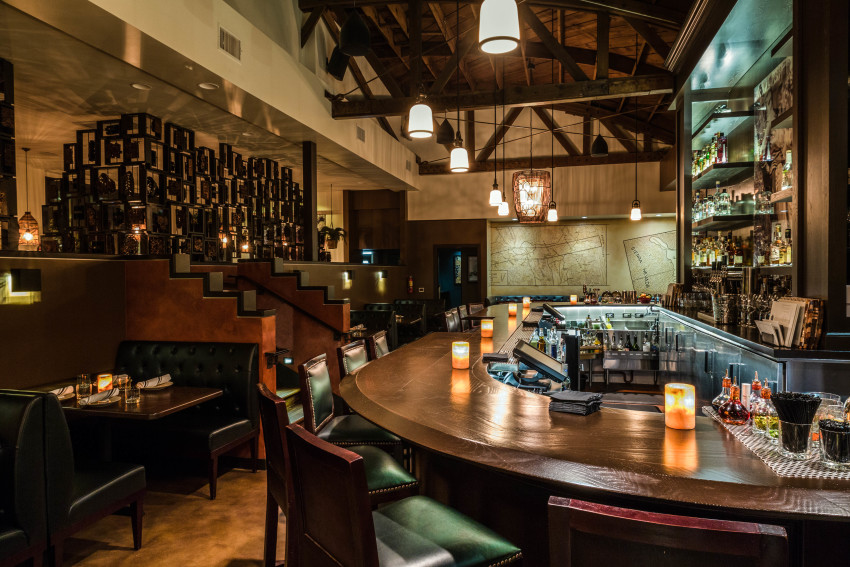
Once submitted, we track each agency clearance status through the LADBS portal, follow up with plan check engineers proactively, and move quickly on corrections the moment they're issued to avoid delays compounding. Our clients include restaurant operators (Hal's Bar & Grill, Hutchinson Cocktails, 85C Bakery, El Pollo Loco, Jersey Mike's), retail tenants (Rothy's), and office occupants doing tenant improvements in Culver City and West LA. If you have a project in the Los Angeles plan check pipeline or are planning to submit, contact us or request a free consultation to discuss how we can help accelerate your approval timeline.