



The Iron Triangle in Construction: Quality, Speed, Cost – Choose Wisely!
The concept of the Iron Triangle holds true in the construction world greater than any other field. When it comes to construction projects, achieving a balance between quality, speed, and cost is a challenging endeavor. As the saying goes, you can have two, but not all three. Let's explore the significance of the Iron Triangle in construction and the choices it presents.
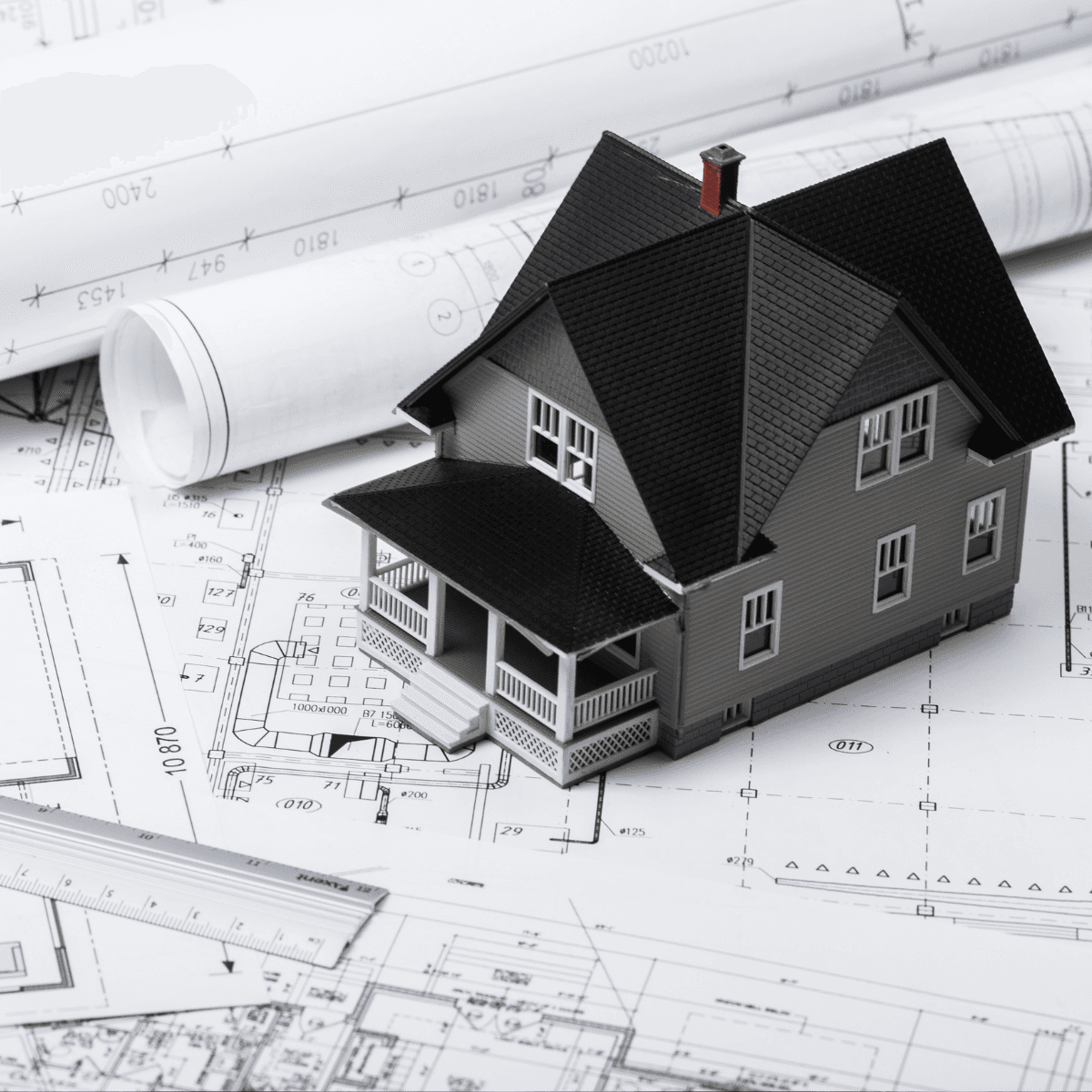
Quality: High-quality construction involves meticulous planning, skilled craftsmanship, and adherence to strict standards. It ensures the longevity, safety, and functionality of the structure. Achieving superior quality often requires using premium materials, implementing robust processes, and having the skills and knowledge to execute on tasks. However, prioritizing quality can lead to higher costs and longer project durations.
Speed: In a competitive market, completing construction projects quickly is often a priority in the commercial arena. Clients and stakeholders may have time-sensitive goals or strict deadlines. Accelerated construction timelines involve efficient project management, streamlined processes, and dedicated resources working long hours, and often into the weekends. Expediting construction may often require additional labor, overtime costs, or the need to simplify certain aspects, potentially compromising aesthetics.
Cost: Cost considerations play a significant role in construction projects. Clients seek cost-effective solutions that align with their budget constraints. Opting for economical construction methods, materials, or design modifications can help reduce expenses. However, minimizing costs may involve compromises in either quality or speed. Lower-priced options may sacrifice the use of premium materials, or force less than desirable General Contractors into using unskilled, cheap labor and unlicensed, uninsured subcontractors.
Navigating the Iron Triangle: Balancing the elements of the Iron Triangle requires careful planning and decision-making. Construction professionals and clients must understand the trade-offs involved and make informed choices.
Effective communication between clients and General Contractors is essential. Clients must clearly communicate their priorities, budget constraints, and desired project outcomes. GC's can provide insights into the implications of each option, helping clients make informed decisions. Transparency is key. GC's should outline the potential effects on quality and speed when considering cost-saving measures. Clients need to understand the impact of compromises and the potential long-term consequences.
Collaboration is crucial to find the right balance. Contractors can propose alternative solutions or value engineering option approaches that optimize quality and speed within budget limitations.
Conclusion: In the construction industry, the Iron Triangle of quality, speed, and cost presents a complex challenge. Balancing these factors is crucial to delivering successful construction projects. Understanding the inherent trade-offs and making informed decisions can lead to the optimal combination of quality, speed, and cost.
How the Iron Triangle Plays Out in the Los Angeles Market
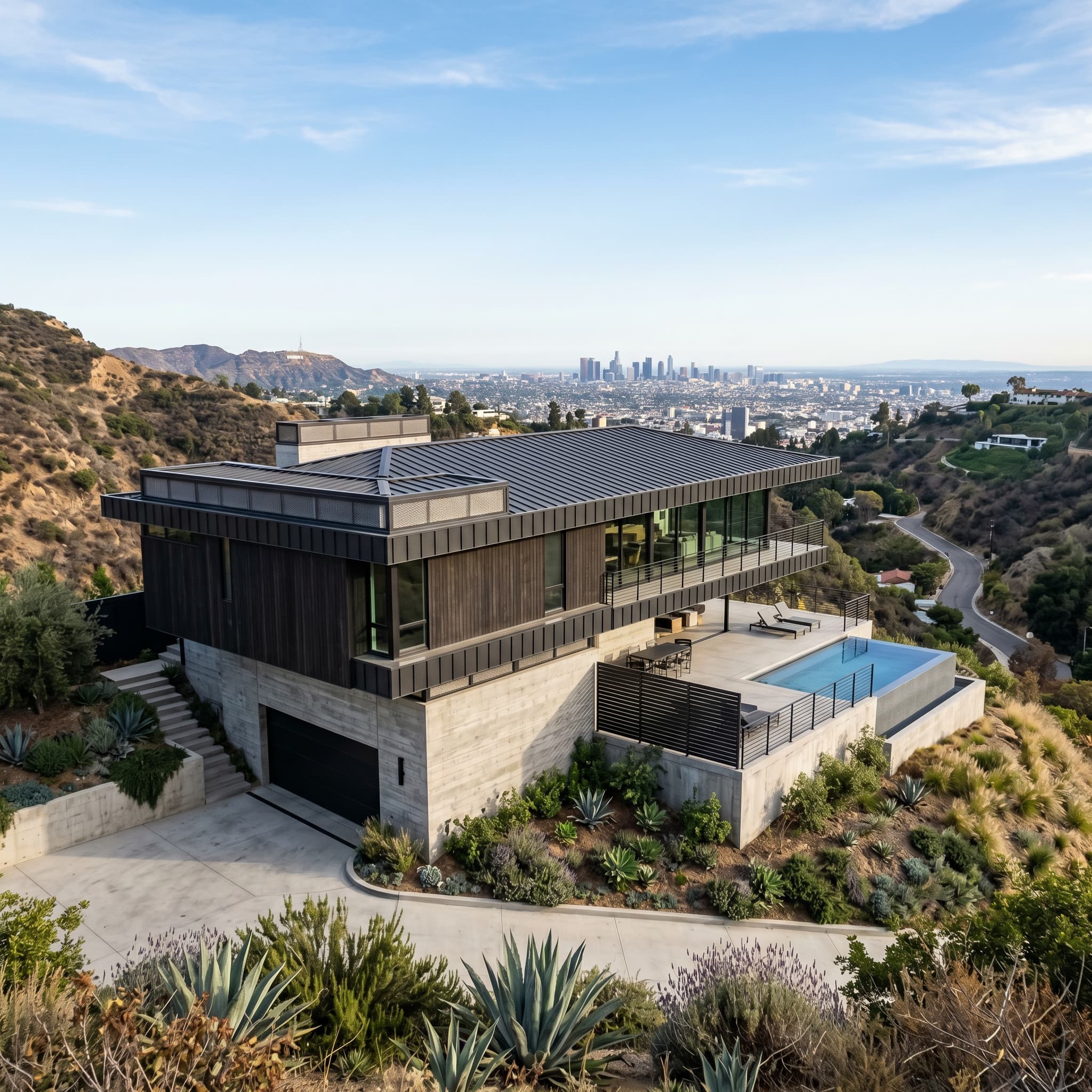
Los Angeles adds its own layer of complexity to every corner of the Iron Triangle. On the cost side, LA is one of the most expensive construction markets in the country: labor costs are among the highest nationally, material costs reflect local demand pressure and logistics costs, and regulatory compliance — permits, energy modeling, inspections — adds real dollars to every project. On the speed side, the LADBS plan check process imposes timelines that are not compressible by adding crew or resources; permit review takes as long as it takes, and attempting to rush construction before permits are issued creates legal exposure and risk of stop-work orders. This means that in Los Angeles specifically, "fast" and "cheap" are in much higher tension with each other than in other markets. A contractor who promises a dramatically faster or cheaper result than competitors is almost always telling you they plan to cut a corner somewhere — often on licensing, insurance, or permit compliance — and the homeowner ends up bearing that risk. The most honest advice any experienced Los Angeles general contractor can give you is this: build your project on a realistic schedule and a realistic budget, and focus your selection process on finding a contractor who will execute those numbers reliably.
Why Value Engineering Beats Cutting Corners Every Time
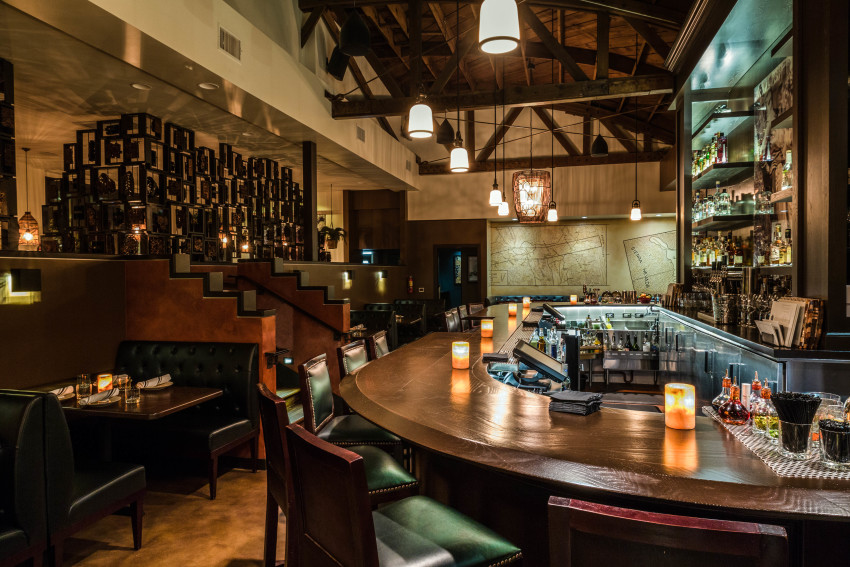
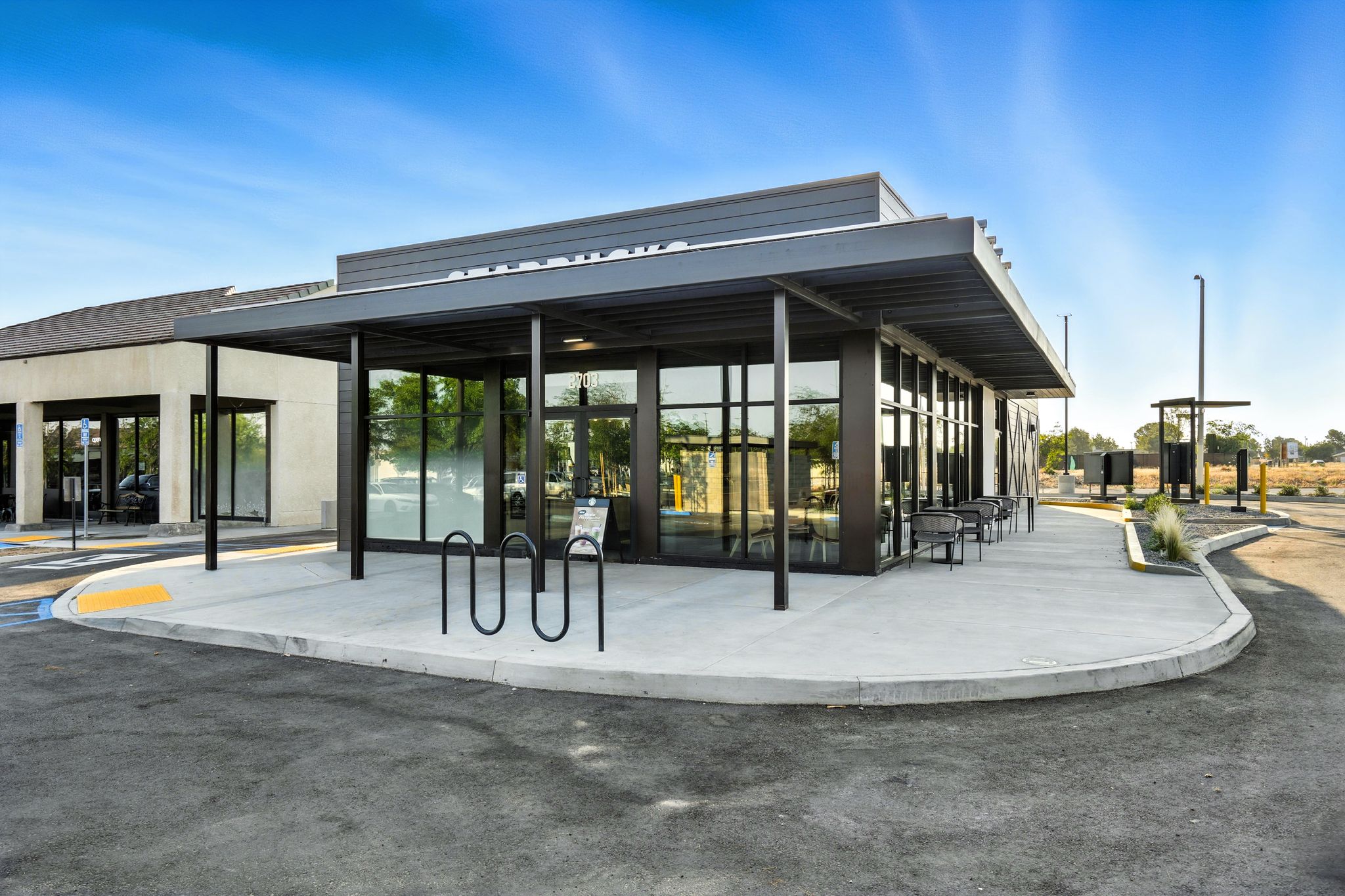
There is a meaningful difference between cutting costs and engineering value. Cutting costs means reducing what you get — cheaper materials, less skilled labor, skipped inspections, or scope items quietly dropped without client awareness. Value engineering means applying construction expertise to find smarter ways to achieve the same outcome: a structural approach that uses less steel for the same load capacity, a phasing strategy that reduces temporary facilities costs, or a material substitution that achieves the same aesthetic at a lower price point. Experienced general contractors in Los Angeles who have managed dozens of projects across different building types have access to this kind of value engineering insight. They know which specifications are genuinely necessary and which represent an engineer's or architect's conservatism that can be discussed and optimized. At econstruct (CA License #964015), we've managed projects across restaurant, retail, office, and high-end residential construction since 2011, and that cross-sector experience is a direct asset for clients looking to maximize what their construction budget achieves. If you're working through early project planning and want an experienced perspective on how to balance your quality, speed, and cost priorities, request a free consultation or explore our project portfolio to see how we've navigated these trade-offs for clients across Los Angeles.