


In every project, a diverse group of professionals is involved, comprising the client, builder, architect, and interior designer, with the possibility of additional experts like Structural, Mechanical and Electrical engineers, landscape architects, or lighting designers, depending on the project’s complexity.
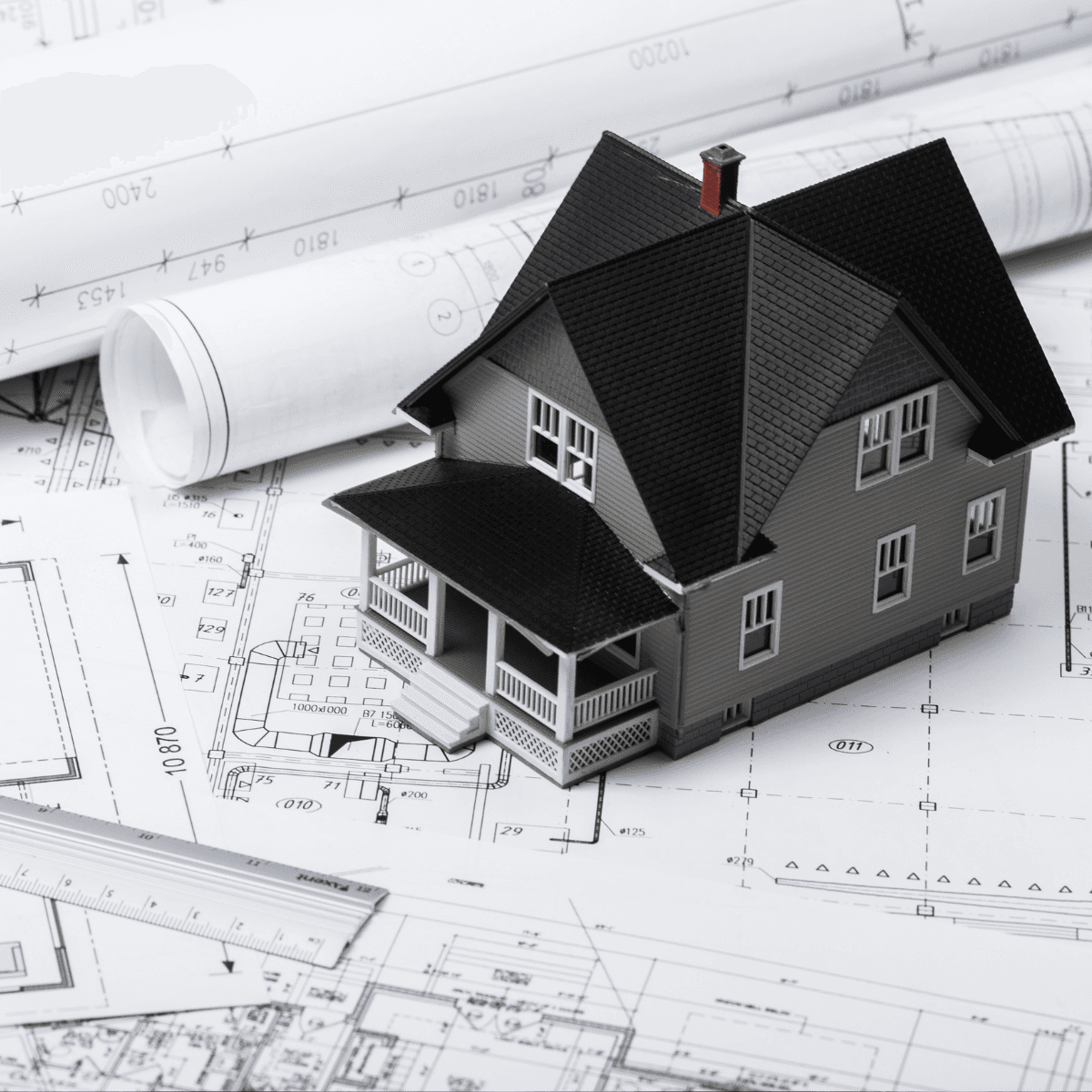
A successful project typically commences with a well-designed plan. Once the design and architectural plans are complete, the client usually hires a general contractor separately to oversee the construction. The contractor then assembles a team of subcontractors, including project managers, administrative support, vendors, and more.
This conventional approach often results in multiple layers of separation between the design team and the construction team, leading to potential issues arising from miscommunication, missing information, or unclear instructions. Such conflicts can significantly disrupt or delay the project.
However, involving the builder early in the design process and advancing collaboration between the architect or interior designer and the contractor can effectively address many problems. By working as a unified team, potential issues related to site conditions can be discovered and addressed early on, reducing the need for Requests for Information (RFIs) to the Architect and preventing cost increases for the project owner.
The Significance of a Positive Architect-Contractor Relationship
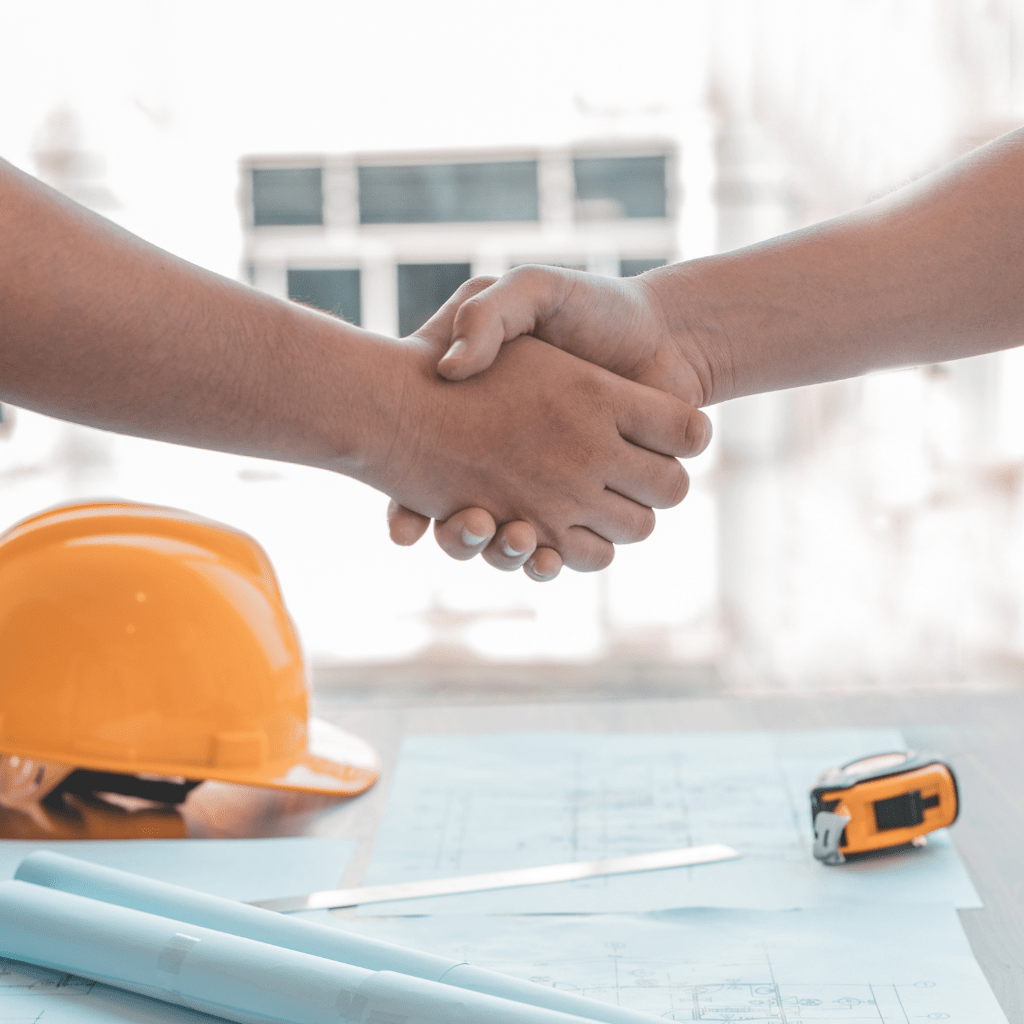
In the world of construction, both architects and contractors play crucial roles in bringing a project to life. While their perspectives sphere of responsibilities may differ, effective & open communication between them is essential for a successful and smooth process. Whether it’s a commercial construction endeavor or any other project, cultivating a positive relationship between architects and contractors holds immense power and importance.
Advantages of a Positive Architect-Contractor Relationship
An affirmative and well-established bond between architects and contractors paves the way for a smooth construction project, from its initial stages to final completion. With effective communication and mutual understanding in place, potential disagreements are minimized, or better yet, prevented altogether, ensuring the project advances efficiently through its various phases.
Effects of a Constructive Architect-Contractor Relationship
The significance of a positive architect-contractor relationship becomes evident when challenges arise during the construction process. While architects aim to maintain their design vision, contractors may often identify, due to site conditions, unforeseen limitations. In such situations, the strength of the architect-contractor relationship plays a vital role in finding resolutions. By fostering open communication and mutual respect, both sides can professionally address conflicts, leading to effective problem-solving and timely improvements in the final results. A positive working dynamic between architects and contractors ensures a successful and harmonious project journey.
A strong and successful architect-contractor relationship is built on the pillars of transparent, open communication, and genuine mutual respect. Moreover, the value of prior experience working on multiple projects together should not be underestimated. Essential to this partnership, contractors must ensure continuous updates to the design team during the construction process to avoid mistakes and get confirmation and approvals on changes. Similarly, architects should acknowledge the practicalities of field conditions and promptly respond to Request-for-Information (RFI) from the contractor. Timely feedback and clarifications play a crucial role in keeping the project on track and achieving ultimate success.
In conclusion, a positive and nurtured architect-contractor relationship is vital for the smooth execution of construction projects. By working together, addressing challenges professionally, valuing & trusting each other’s expertise, architects and contractors can achieve phenomenal outcomes and navigate potential roadblocks on the path to completion.
Early Contractor Involvement: Why It Changes Everything
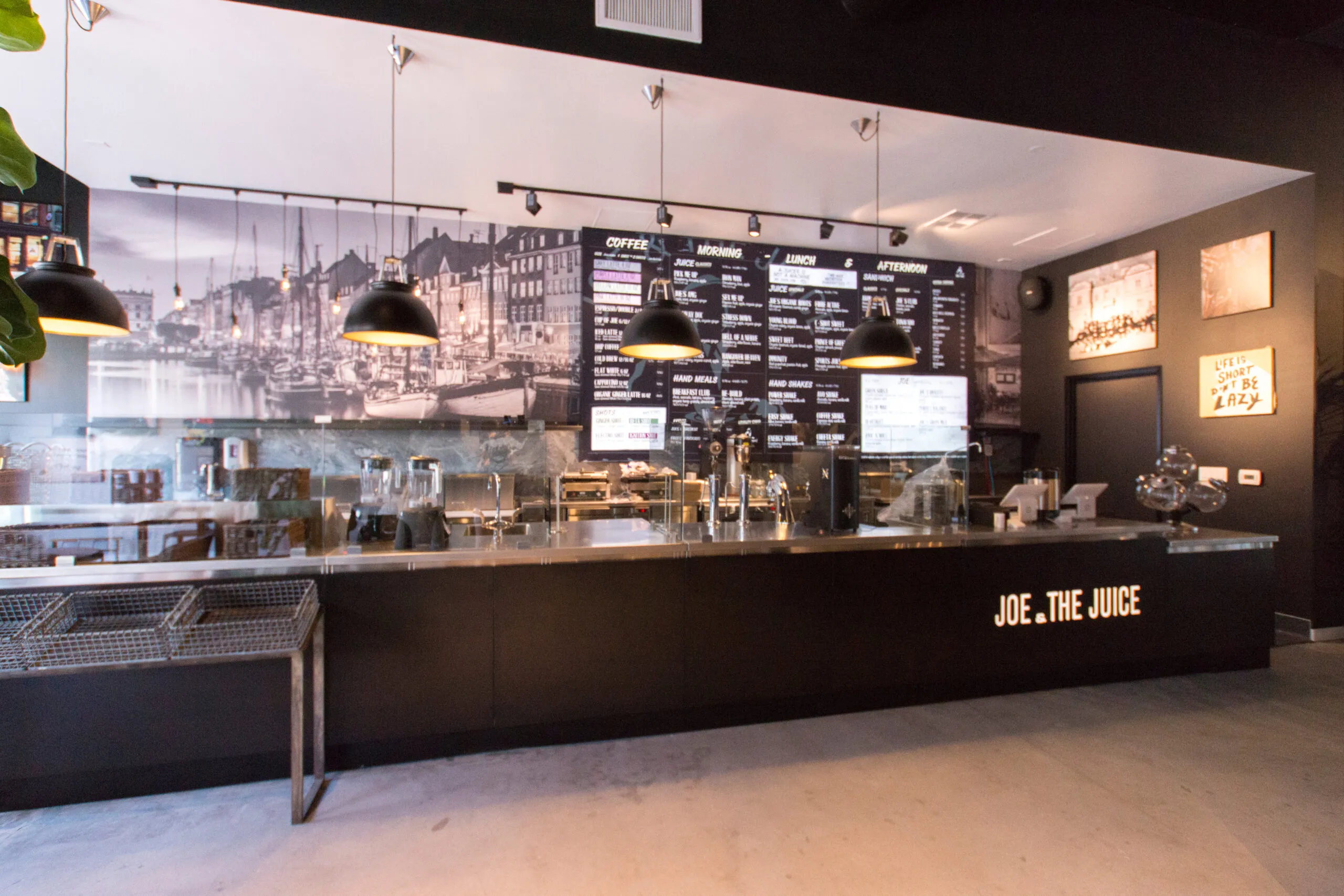
One of the most impactful shifts in modern project delivery is pulling the general contractor into the design phase well before construction documents are finalized. When a GC reviews plans while they’re still evolving, the team can catch coordination gaps between structural, mechanical, and architectural elements before those conflicts become expensive field changes. This is particularly important on complex commercial projects — a restaurant build-out, for example, requires careful coordination between the kitchen hood exhaust, HVAC ductwork, fire suppression, and structural ceiling conditions. Addressing these intersections on paper costs a fraction of resolving them in the field.
Early contractor involvement also improves constructability. Architects design what the space should be; contractors know what can realistically be built within a given budget and schedule. When both perspectives inform the drawings simultaneously, the result is a plan set that is cleaner, more accurate, and easier to price. Bid documents that reflect real-world site conditions and material lead times reduce the number of addenda and change orders that plague traditionally delivered projects. The iron triangle of construction — quality, speed, and cost — is most effectively managed when the contractor is part of the design conversation from day one.
Managing RFIs and Submittals Without Friction
Even on well-coordinated projects, Requests for Information (RFIs) and submittal reviews are inevitable. The difference between a project that flows and one that stalls is often how quickly and clearly these communications move between the design team and the field. Architects should establish RFI response windows at the outset — typically 5 to 10 business days for standard items, and same-day turnaround for issues that are holding up active work. Contractors, for their part, should batch and prioritize RFIs clearly rather than submitting a flood of questions that overwhelm the design team.
Submittals — shop drawings, product data, samples — require the same discipline. A well-maintained submittal log with agreed-upon review turnaround times keeps procurement on schedule and prevents the all-too-common scenario where a long-lead item like custom glazing or specialty tile isn’t ordered until weeks after it should have been. On projects where econstruct acts as the general contractor, our project managers maintain a live submittal and RFI tracker shared with the design team, so everyone sees the same status in real time. This transparency is a direct product of a healthy architect-contractor relationship, and it is one of the clearest signals of a team that will deliver successfully.
How econstruct Fosters Architect-Contractor Collaboration
econstruct (CA License #964015, founded 2011) has built its reputation in West Los Angeles on precisely this kind of collaborative project delivery. Principal Frank Neimroozi and our team of professionals — with over 51 years of combined experience — have partnered with architects and designers on a wide range of commercial and residential projects, from restaurant build-outs like Hal’s Bar & Grill and Hutchinson Cocktails to office tenant improvements across Culver City and West LA. Our approach is to treat the architect as a partner, not an adversary. We attend design reviews, submit proactive constructability comments, and maintain respectful, solution-focused communication throughout every project phase.
For architects and design professionals working on projects that need a contractor who understands how to protect design intent while navigating real-world construction constraints, we invite you to visit our for architects page to learn how we work. You can also browse our commercial project portfolio or request a free consultation to discuss your next project.