



Design Build has increased in popularity as the project delivery system of choice. In fact, this project delivery system is so popular that in California there are many new laws that encourage this type of construction. Considering the rising interest in this PDS (project delivery system), many people are wanting to learn more about design-build.
WHAT IS DESIGN BUILD?
Construction project owners have always wanted certain things. They want timely and cost-effective construction. There are many views on which project delivery system is the best to achieve these goals, as well as consider scheduling, budget and quality. In the last few years more and more focus has been placed on project delivery systems in order to better pinpoint specific methods that that will achieve these goals in a systematic way. Traditionally, Design Bid Build was the most common PDS being used. However, experience is showing that the Design-Build option is a quicker and more cost-effective way to get the owner what he really wants. Design-build is sometimes compared to the “master builder” approach, one of the oldest forms of construction procedure. Comparing design–build to the traditional method of procurement, the authors of “Design-build Contracting Handbook” noted that: “from a historical perspective the so-called traditional approach is actually a very recent concept, only being in use approximately 150 years.
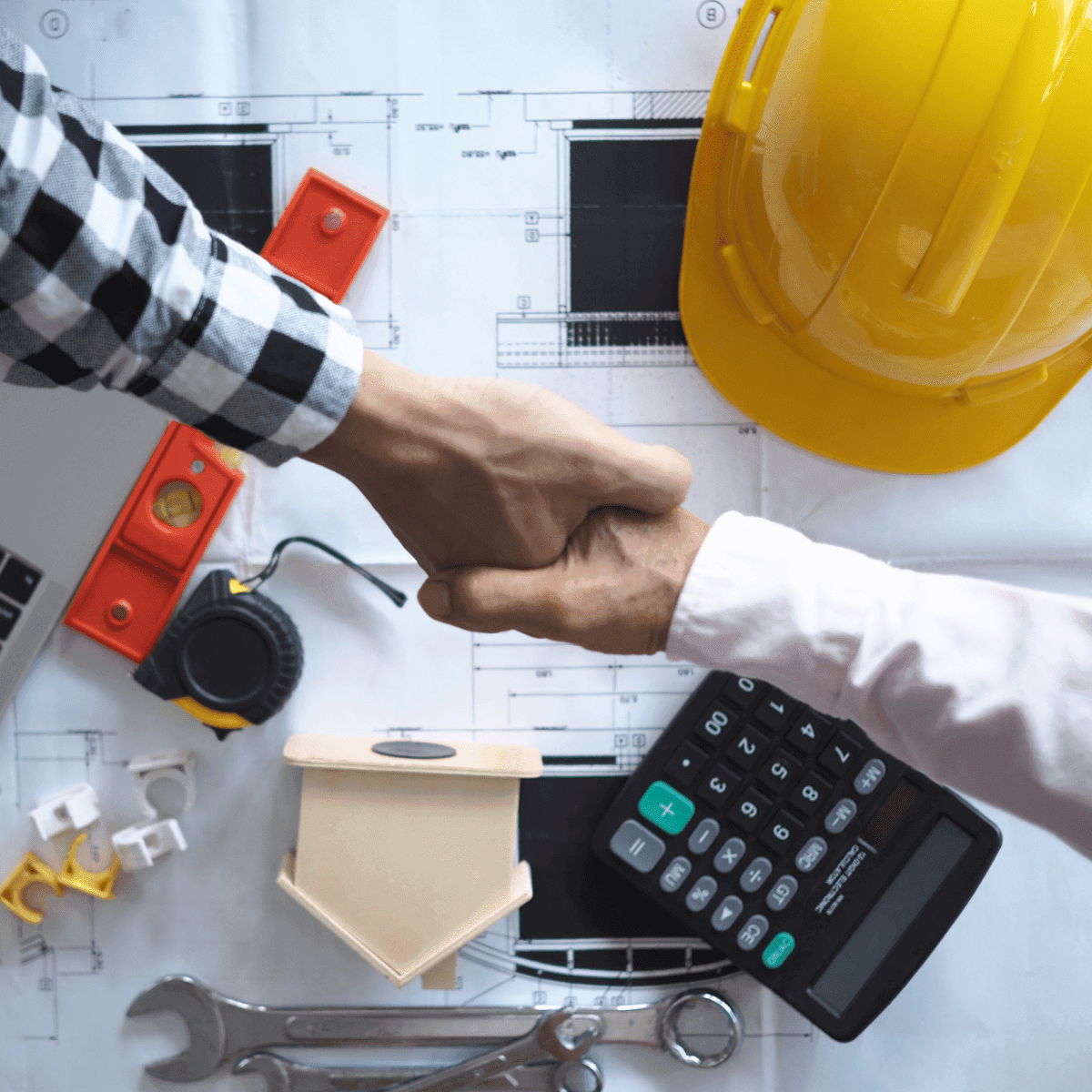
Design Build methods offer simplicity in what could otherwise be a very complex project. When the owner has a single point of contact for the construction and design of their projects, there is less confusion. The other significant feature is that there is less stress on the owner as the risk for design errors is shifted to the contractor rather than the owner.
Another significant bonus is that the design-build model saves much time. With fewer people involved, there is less time wasted in confusing communication between parties. Research on Selecting Project Delivery Systems by Victor Sanvido and Mark Konchar of Pennsylvania State University found that design–build projects are delivered 33.5% faster than projects that are designed and built under separate contracts (design-bid-build). The fact that fewer people are involved is significant in that historically this is not the way construction projects have been handled. In the past, the owner was dealing with many people on many different levels working on many different aspects of the construction project. This contributed to confusion, and eventually a slower schedule. Sanvido and Konchar also showed that design–build projects are constructed 12% faster* and have a unit cost that is 6.1% lower than design-bid-build projects. Design-build models have attempted to alleviate some of this confusion and take some of this stress off of the owner so that the owner can think about other aspects of their business or building project.
Design Build History
Several decades ago, a few innovative construction companies, such as econstruct, began presenting their clients with a design-build model. Although at first many were resistant to the idea of one entity handling their entire project, many clients found the simplicity it offered to be quite attractive. With simplicity always comes decreased costs. Design build eliminates many steps and even eliminates people from a project that are not necessary. When steps and extra people are eliminated, projects can flow more smoothly.
Over time, many well-known construction companies have adopted the design build model and found clients converting to this new project delivery system. Today, it is the PDS of choice. econstruct and its project managers are proud to be one of the top early adopters with decades of experience under their belt. Visit us online to learn why the design build model is best for you.
Why Design-Build Works Especially Well in Los Angeles
Los Angeles presents a uniquely complex construction environment. Between LADBS plan check timelines, Title 24 energy compliance requirements, hillside soils reports, ADA accessibility mandates for commercial spaces, and the coordination demands of fire department clearances, the permit process alone can take months. In a traditional design-bid-build sequence, the contractor doesn't see the drawings until they're complete — meaning any constructability issues, code conflicts, or value engineering opportunities go unaddressed until bidding, when changes are most expensive to implement.
Design-build short-circuits this problem. When the contractor is at the table during schematic design, issues are flagged before they're drawn. A contractor who has built restaurants in the City of Los Angeles, for example, knows that a Type 1 commercial kitchen hood requires a dedicated grease duct chase with specific clearances and LAFD approval — and that this chase will consume wall or ceiling space the architect may not have accounted for. Catching that early saves weeks of redesign. It also enables more accurate budgeting from the start, since the contractor can price materials and assemblies as they're selected rather than after documents are complete. The result is what the research consistently shows: faster delivery, lower cost, and fewer disputes.
California's Legal Recognition of Design-Build
California has been a leader in codifying design-build as an accepted and encouraged project delivery system. For public projects, AB 566 and subsequent legislation expanded design-build authority to cities, counties, transit agencies, and school districts. For private commercial work, the model has always been available, but the state's formal endorsement signals to the market that design-build is a legitimate and professionally recognized path. California's Building Code — maintained by the California Building Standards Commission and updated in three-year cycles — provides the technical framework within which all design-build projects must be delivered, regardless of procurement method.
How econstruct Delivers the Design-Build Advantage
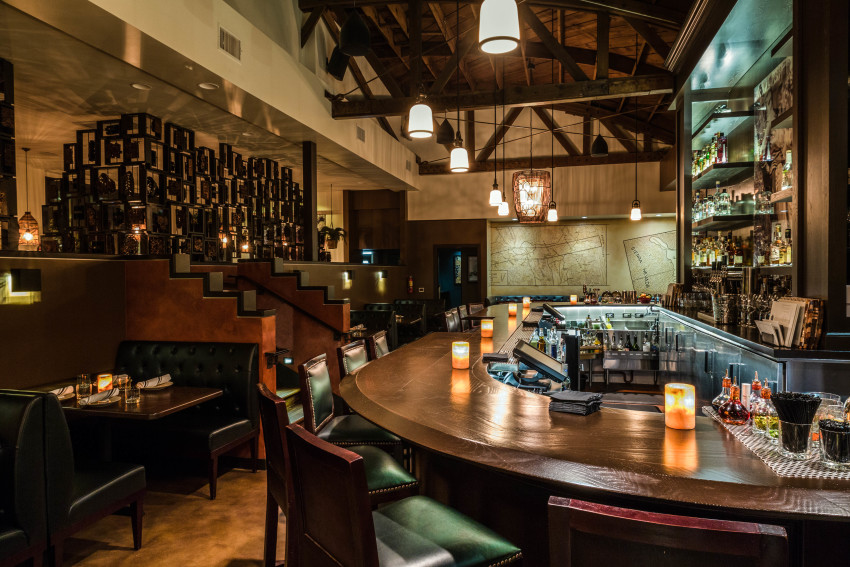
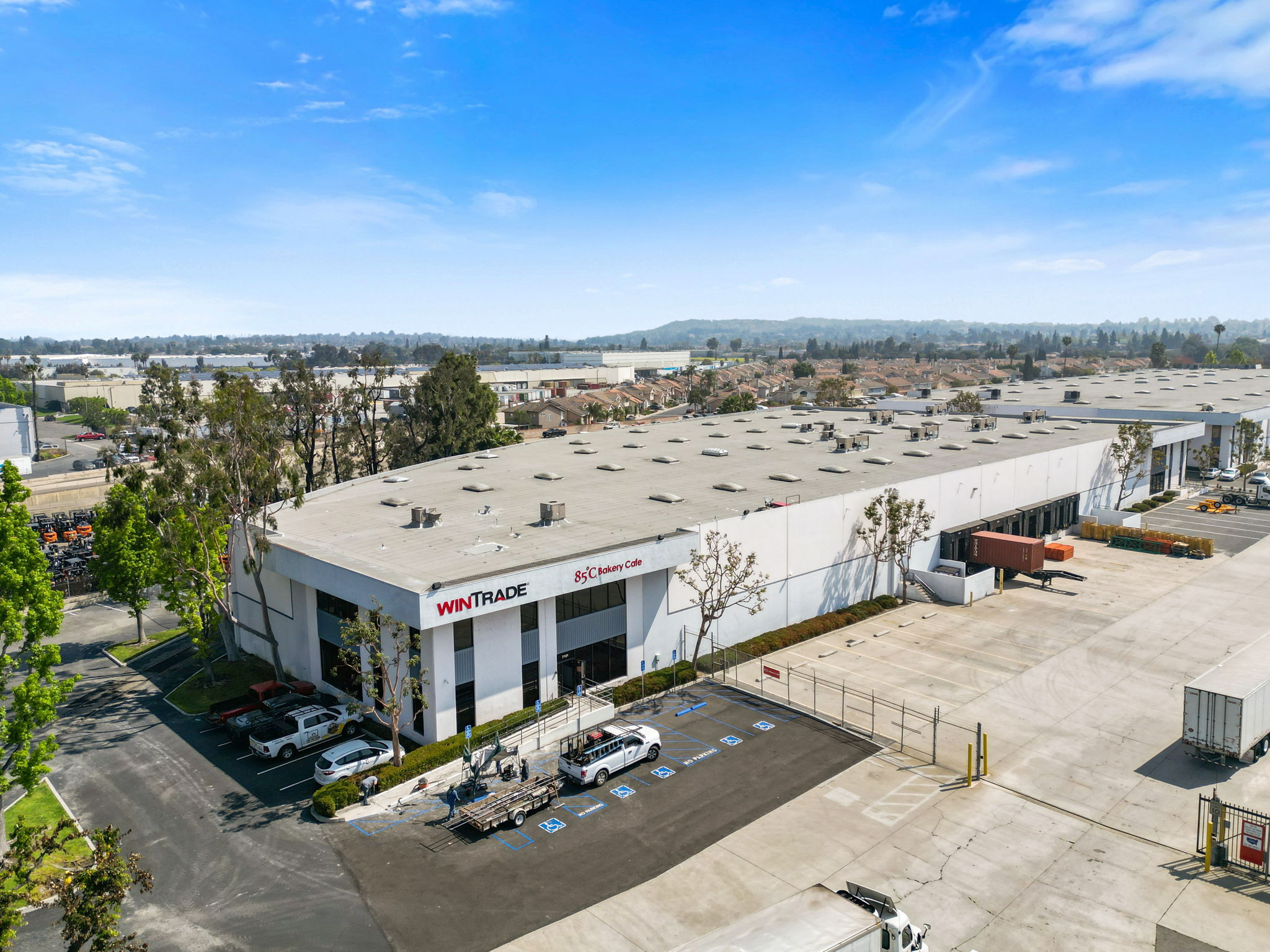
econstruct (CA License #964015, founded 2011) has been delivering design-build and design-assist projects in West Los Angeles and across the greater LA area for well over a decade. Principal Frank Neimroozi leads a team with more than 51 years of combined construction experience, spanning restaurant build-outs, retail tenant improvements, office renovations, custom homes, and ADU construction. Notable completed projects include Hal's Bar & Grill, Hutchinson Cocktails, Rothy's, Jersey Mike's, 85C Bakery, and El Pollo Loco.
When you work with econstruct on a design-build engagement, our team collaborates directly with your architect and designers, or we can refer qualified local design professionals who understand how we work. We manage permit submissions to LADBS, coordinate all subcontractors, and maintain transparency on schedule and budget from concept through certificate of occupancy. To see our project work, visit our commercial portfolio, or request a free consultation to discuss how the design-build approach can benefit your next project. If you're an architect or design professional looking for a contractor who supports design intent rather than undercutting it, our for architects page explains how we partner with design teams.