


ADU Permit Los Angeles
Have you ever looked at your Los Angeles property and wondered, “Can I build an ADU here?” Maybe you’re envisioning a backyard oasis for family, a home office sanctuary, or a potential income-generating rental. Whatever your motivation, ADUs (Accessory Dwelling Units) offer a fantastic way to maximize your space and enhance your property value.
But as any Angeleno knows, navigating Los Angeles Building and Safety regulations can feel like a maze. Don’t worry – we’re here to guide you through the ADU permit process, making it as smooth and stress-free as possible.
What Is an ADU?
Before we dive into permits, let’s clarify what exactly is an ADU. It’s a secondary structure unit on your property, either attached to your main house or detached. They come in various forms:
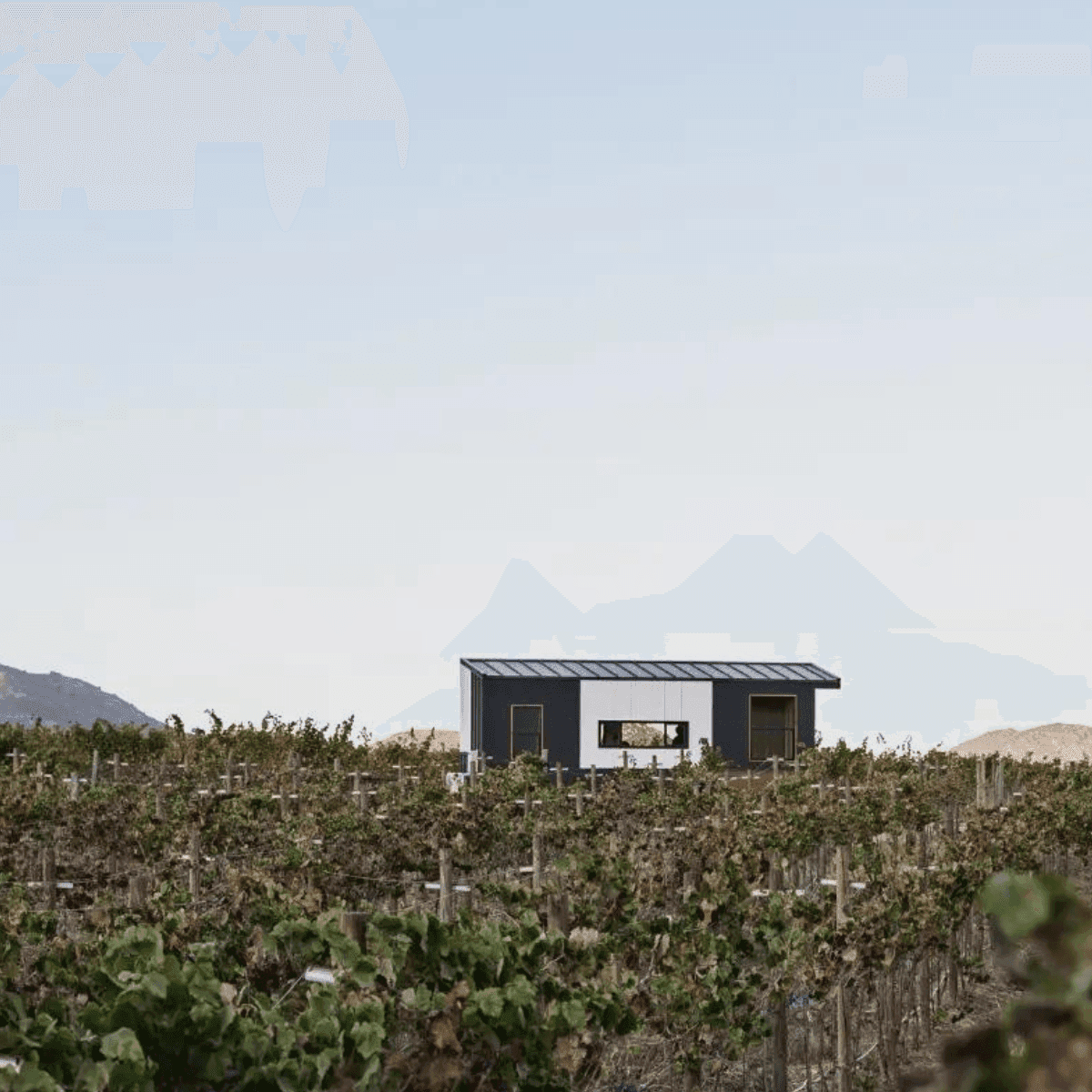
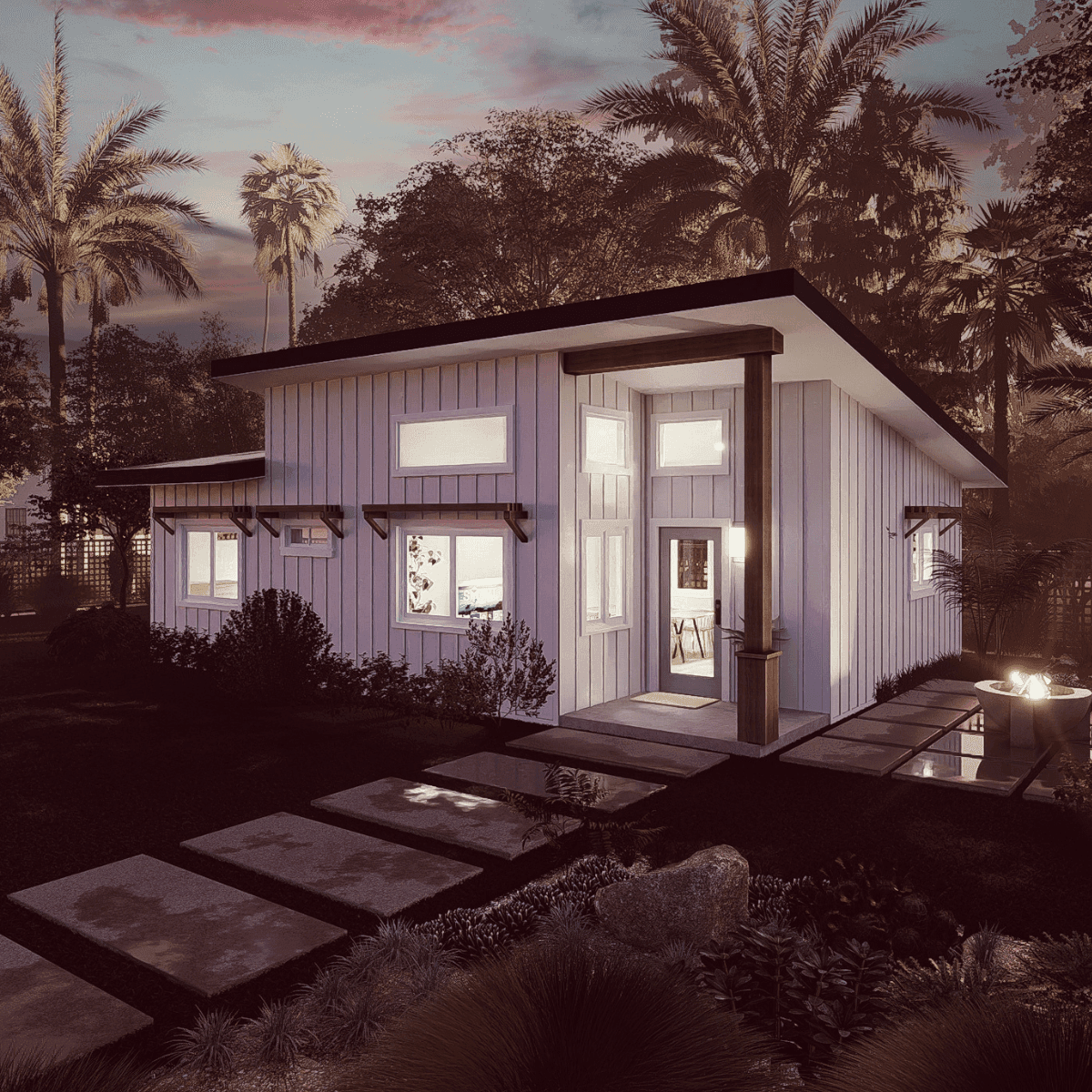
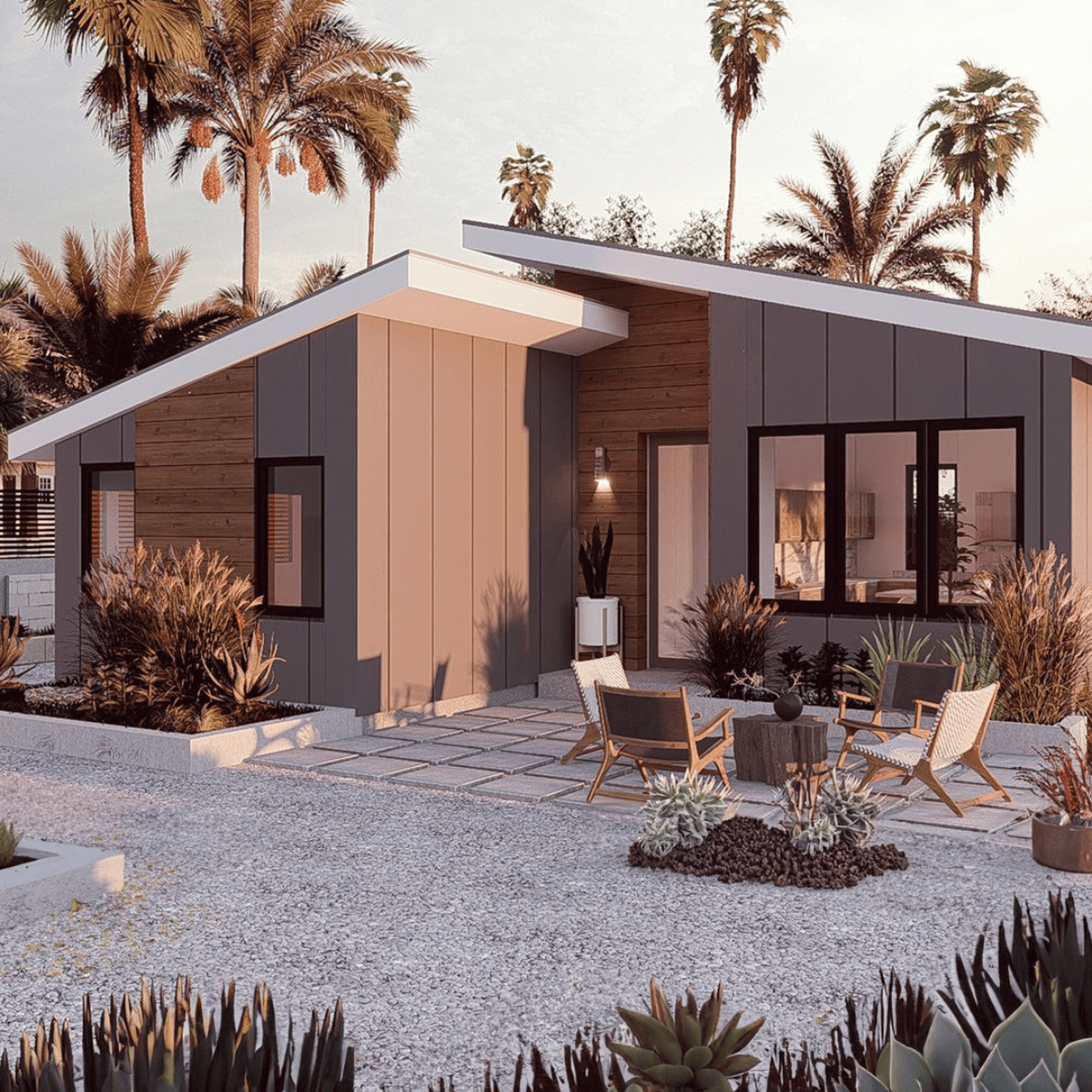
Detached ADUs: Think of a charming backyard cottage that stands alone, offering privacy and flexibility in design and use.
Attached ADUs: Connected to your main house, often above a garage or converted from existing garage space, providing a seamless addition that integrates with your existing home.
Junior ADUs (JADUs): Smaller units (up to 500 sq. ft.) located within an existing home, making efficient use of available space without major structural changes.
Do I Need a Permit for an ADU in Los Angeles?
Yes, you absolutely need a permit to build an ADU in Los Angeles. The city has specific zoning codes and building regulations that must be met to ensure safety and code compliance. Permits are essential for ensuring that your ADU adheres to all local regulations, thus protecting your investment and ensuring the safety of the occupants.
Why Partner with econstruct for Your ADU Permit Journey?
At econstruct, we specialize in ADU construction and permitting. Our team of experts knows the ins and outs of the local regulations, saving you time, frustration, and potentially costly mistakes. Here’s how we make it easy:
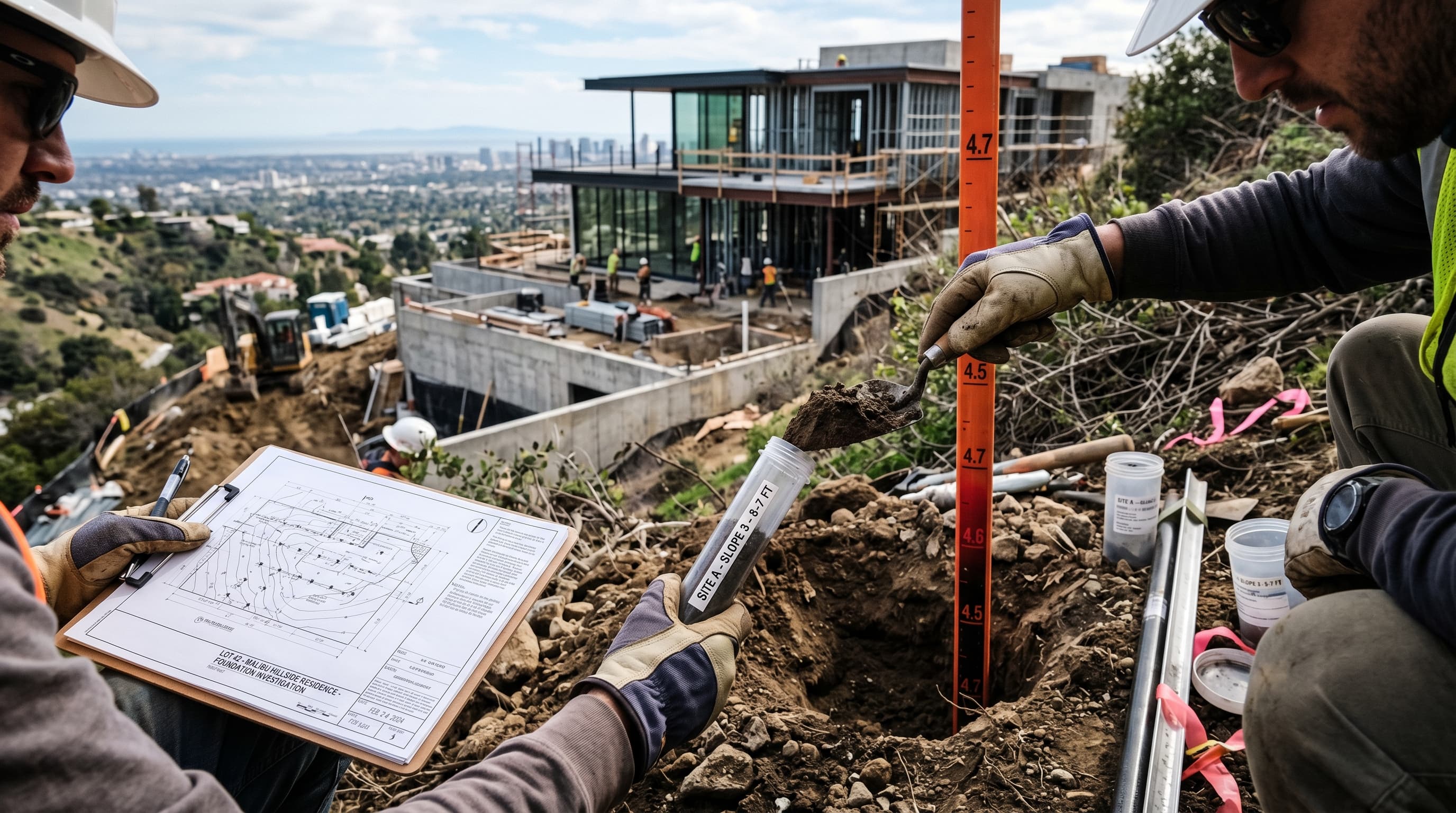
Assessment and Feasibility: We assess your property’s zoning and identify any potential challenges before you start designing, ensuring your project aligns with city regulations.
Streamlined Design: Our design team crafts ADU plans that maximize space, adhere to code, and meet your aesthetic preferences.
Permit Preparation and Submission: We handle all the paperwork, ensuring your application is complete and compliant with every agency having jurisdiction and requiring approvals. This saves you from feeling lost and the back-and-forth often associated with permitting.
Ongoing Guidance: We keep you informed about the permit’s progress and address any concerns or questions you may have.
What Does the ADU Permit Process Look Like in Los Angeles?
While econstruct handles the details, it’s helpful to understand the key steps:
Pre-Application Meeting: We meet with you and city officials (if needed) to discuss your project and any potential issues. This step is crucial for identifying any initial roadblocks that might delay your project.
Design Review and Approvals: Your plans are submitted to the Los Angeles Department of Building and Safety (LADBS) for review. We address any revisions requested by the city, ensuring your plans meet all requirements.
Permit Issuance: Once your plans are approved, you’ll receive the necessary permits to start construction. This includes building permits, electrical permits, plumbing permits, and any other required authorizations.
Inspections: During construction, city inspectors will visit to verify compliance with codes. We coordinate these inspections and resolve any issues promptly, keeping your project on schedule.
Certificate of Occupancy: The final inspection, after which you’ll receive the Certificate of Occupancy (COO), certifying your ADU has passed all inspections and it is ready for use.
Factors Affecting the ADU Permit Timeline
Several factors can influence the timeline for obtaining an ADU permit:
Complexity of the Project: The design, size, and location of the ADU on your property all influence the complexity of the permitting process. More complex projects may require additional reviews and approvals.
City Workload: The LADBS can experience fluctuations in workload, which may affect processing times. High volumes of permit applications can lead to longer wait times.
Pro Tip: Partnering with econstruct can significantly expedite the process. Our knowledge and relationships help us navigate the system efficiently.
Special Considerations for Los Angeles ADU Permits
Coastal Zones: Properties in coastal zones may have additional regulations to protect the environment. These can include restrictions on building size, height, and materials used.
Historic Districts: If your home is located in a historic district, you might need approval from the Cultural Heritage Commission. This can involve additional reviews to ensure that your ADU preserves the historical integrity of the area.
Utility Easements: Any utility lines running through your property will need to be addressed in your plans. This might require rerouting utilities or obtaining special permissions from utility companies.
Cost Considerations for ADUs in Los Angeles
Building an ADU is a significant investment. Here are some key cost factors:
Design Costs: Architectural design fees can vary depending on the complexity of your project. Working with experienced designers like econstruct can ensure your ADU is both functional and compliant with local codes.
Construction Costs: These include materials, labor, and any unexpected expenses that may arise during the build. Choosing durable, high-quality materials can offer long-term savings on maintenance and repairs.
Permit Fees: These vary based on the scope and location of your project. The LADBS fee schedule can help estimate these costs, but consulting with econstruct ensures all fees are accounted for.
Utility Hookups: Connecting your ADU to existing utilities (water, electricity, gas, sewer) can add to the overall cost. Proper planning and budgeting for these expenses are crucial.
Landscaping and Exterior Work: Enhancing the exterior with landscaping or outdoor living spaces can increase the usability and appeal of your ADU.
Financing Your ADU Project
Financing an ADU can be daunting, but there are several options available:
Home Equity Loans: Leveraging your home’s equity can provide the necessary funds for your ADU project. This option often offers lower interest rates compared to other loan types.
Construction Loans: These loans are specifically designed for construction projects and are disbursed in stages as work progresses.
Personal Loans: While interest rates may be higher, personal loans can be a quick solution if you don’t qualify for other financing options.
Government Programs: Some local and state programs offer incentives or grants for ADU construction. Researching these opportunities can provide additional financial support.
Designing Your ADU with econstruct
The design phase is crucial in creating an ADU that meets your needs and complies with regulations. Here’s how econstruct ensures a successful design process:
Understanding Your Needs: We begin by understanding your goals for the ADU, whether it’s for rental income, additional living space, or a home office.
Maximizing Space: Our design team specializes in smart space planning, ensuring every square foot is used efficiently.
Aesthetic Appeal: We work with you to choose design elements that complement your main house and reflect your personal style.
Compliance with Regulations: Our expertise ensures your design adheres to all local zoning and building codes, avoiding costly redesigns and delays.
The Importance of Energy Efficiency
Energy efficiency is an essential consideration in ADU design. Here’s how we integrate sustainable practices:
Insulation and Windows: Proper insulation and energy-efficient windows reduce heating and cooling costs.
Appliances and Fixtures: Choosing Energy Star-rated appliances and water-saving fixtures lowers utility bills and reduces environmental impact.
Solar Panels: Installing solar panels can offset energy costs and may qualify for tax incentives.
Sustainable Materials: Using eco-friendly materials in construction minimizes your ADU’s environmental footprint.
Navigating Zoning Laws and Regulations
Understanding zoning laws is critical to your ADU project’s success. Here are some key points to consider:
Zoning Restrictions: Different neighborhoods have varying restrictions on ADU size, placement, and usage. econstruct helps you navigate these regulations to ensure compliance.
Parking Requirements: Some areas require additional parking spaces for ADUs. Our team assesses your property to meet these requirements without sacrificing design.
Occupancy Limits: Regulations may dictate the maximum number of occupants allowed in an ADU. We design your unit to meet these limits while maximizing comfort and functionality.
Working with econstruct: A Seamless Experience
At econstruct, we pride ourselves on providing a seamless, stress-free experience from start to finish. Here’s what you can expect:
Transparent Communication: We keep you informed at every stage, providing updates and addressing any concerns promptly.
Expert Guidance: Our team’s extensive knowledge of local regulations and construction best practices ensures your project runs smoothly.
Quality Craftsmanship: We are committed to delivering high-quality work that meets your expectations and stands the test of time.
Customer Satisfaction: Your satisfaction is our top priority. We go above and beyond to ensure you are happy with the final result.
The Benefits of Building an ADU in Los Angeles
Building an ADU offers numerous benefits:
Flexibility**: ADUs offer versatile living spaces that can adapt to changing family needs. For instance, they can be used to house aging parents, provide a private space for adult children, or even serve as a guest house for visiting friends and family. This flexibility makes ADUs a practical solution for a variety of situations.
Sustainability**: ADUs promote sustainable living by making efficient use of existing properties and reducing urban sprawl. By building up rather than out, ADUs help conserve land and resources. Additionally, incorporating green building practices and energy-efficient technologies can further enhance the sustainability of your ADU.
FAQs About Building an ADU in Los Angeles
To further help you understand the ADU process, here are answers to some frequently asked questions:
What is the maximum size for an ADU in Los Angeles? – Detached ADUs can be up to 1,200 square feet, while JADUs are limited to 500 square feet. However, size limits may vary based on your property’s zoning.
Do I need additional parking for my ADU? – In many cases, ADUs do not require additional parking, especially if they are located within half a mile of public transit. However, specific requirements can vary, so it’s best to check with local regulations.
Can I convert my garage into an ADU? – Yes, converting a garage into an ADU is a common and cost-effective option. The process typically involves securing the necessary permits, ensuring the structure meets building codes, and making any required upgrades to utilities.
How long does it take to build an ADU? – The timeline for building an ADU can vary based on the complexity of the project, the permitting process, and construction factors. On average, the process can take anywhere from 6 months to a year from start to finish.
Are there financing options available for ADU construction? – Yes, there are several financing options available, including home equity loans, construction loans, and personal loans. Additionally, some government programs offer incentives or grants for ADU construction.
Ready to Start Your ADU Project? Contact econstruct Today!
Building an ADU is a significant undertaking, but with the right guidance and expertise, it can be a rewarding investment that enhances your property and meets your needs. At econstruct, we are committed to providing top-notch service, expert advice, and quality craftsmanship to ensure your ADU project is a success.
Whether you’re just starting to explore the idea or are ready to begin the permitting process, our team is here to help. Contact us today for a personalized consultation and take the first step toward building your dream ADU in Los Angeles. Let’s transform your property together!
Understanding LA’s ADU-Friendly Regulations
California’s ADU laws have evolved significantly since 2020, and Los Angeles has followed the state’s lead by streamlining approvals and reducing barriers for homeowners. Under current state law, most single-family and multifamily lots in Los Angeles are eligible for at least one ADU and one Junior ADU (JADU). The city has also reduced or eliminated many of the parking requirements that previously made ADU projects difficult, particularly for properties near transit corridors. Owner-occupancy requirements were suspended statewide, meaning landlords and investors can also pursue ADU construction on eligible lots. LADBS processes ADU permit applications through their ADU portal, and many standard ADU designs can qualify for an over-the-counter or express plan check, significantly compressing the permit timeline. Understanding which pathway applies to your property is one of the first and most valuable steps in the process. Our team at econstruct evaluates each property individually, because setbacks, utilities, fire zone designations, and lot coverage limits all vary block by block across LA County.
California Title 24 and Energy Code Requirements for ADUs
Every new ADU built in Los Angeles must comply with California’s Title 24 Building Energy Efficiency Standards, which set minimum requirements for insulation, windows, lighting, and mechanical systems. These standards are updated every three years, and the current code cycle emphasizes all-electric readiness, meaning your ADU must be built to accommodate electric appliances and EV charging infrastructure even if you don’t install them at the time of construction. For ADUs over 500 square feet, a full Title 24 energy compliance report is required as part of the plan check submission. Solar panels may also be required depending on the ADU’s size and configuration. While these requirements add to the upfront design cost, they pay off through lower utility bills over the life of the building. Learn more about California’s Building Energy Efficiency Standards. econstruct’s design team prepares Title 24 documentation as part of our standard ADU permit package, so you won’t face any surprises during plan check.
Working With a Licensed LA Contractor for Your ADU
Selecting the right contractor is as important as selecting the right design. California requires all contractors performing ADU construction to hold an active CSLB license, and you can verify any contractor’s license status through the CSLB license lookup tool. econstruct holds California GC License #964015 and has been operating in West Los Angeles since 2011 under principal Frank Neimroozi, whose team brings over 51 years of combined construction experience. We have completed ADU and residential projects across Beverly Hills, Brentwood, Pacific Palisades, and Malibu — neighborhoods where lot conditions, HOA restrictions, and city requirements demand deep local knowledge. Our ADU construction services include site evaluation, architectural design, permit submission, construction management, and Certificate of Occupancy coordination. For a closer look at completed projects, visit our project portfolio. When you’re ready to talk specifics, request a free consultation and we’ll assess your property and provide a transparent, fixed-price proposal with no obligation.